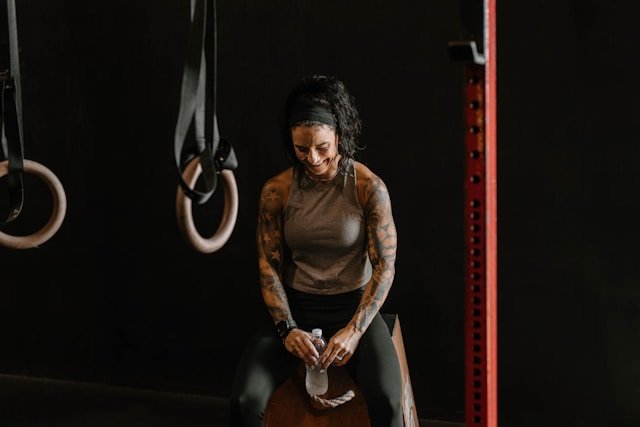

Frustrated by Fatigue and Low Energy?
It can feel like the arch enemy of getting sh*t done – especially for women over 30, juggling the demands of work, family, and personal life.
Although many factors can influence energy levels – from sleep quality to stress management; nutrition plays a very important role.
Women on a plant-based diet may find it even more important to balance their dietary choices to maintain vitality and combat fatigue effectively.
This post looks at how to increasing energy levels and reduce fatigue for life beyond 30 – focusing on practical tips and actionable insights to have you moving around like the Energizer Bunny in no time.
Understanding Energy and Fatigue
Energy production in the body is a complex process, primarily driven by the nutrients we consume. When food is broken down, it provides fuel for cellular activities through a process called cellular respiration. Essential nutrients, including carbohydrates, proteins, fats, vitamins, and minerals, play a critical role in this process.
Fatigue can stem from various causes, including:
- Nutritional deficiencies (e.g., iron, vitamin B12, or omega-3 fatty acids)
- Poor sleep quality or irregular sleep patterns.
- Chronic stress or mental health challenges.
- Inadequate calorie intake or unbalanced meals.
For women over 30, hormonal changes such as those associated with perimenopause, can also contribute to feelings of fatigue. Understanding these factors can help identify strategies for boosting energy.
Key Nutritional Strategies for Boosting Energy
1. Prioritise Complex Carbohydrates
Carbohydrates are the body’s primary energy source. However, not all carbs are created equal. Complex carbohydrates, such as whole grains, legumes, and starchy vegetables, provide a steady release of glucose into the bloodstream, helping sustain energy levels throughout the day.
Examples: Quinoa, brown rice, oats, sweet potatoes, lentils.
Why It Works: These foods have a low glycemic index, preventing energy spikes and crashes.
2. Ensure Adequate Protein Intake
Protein is essential for maintaining muscle mass, repairing tissues, and producing enzymes and hormones that regulate energy. Women on a plant-based diet can meet their protein needs by incorporating a variety of sources.
- Examples: Tofu, tempeh, edamame, chickpeas, black beans, nuts, seeds, and plant-based protein powders.
- Pro Tip: Combine complementary proteins (e.g., rice and beans) to ensure a complete amino acid profile.
3. Focus on Iron-Rich Foods
Iron deficiency is a common cause of fatigue, particularly for women of childbearing age. Plant-based diets can meet iron needs with careful planning, though the non-heme iron found in plants is less easily absorbed than the heme iron from animal products.
- Sources: Lentils, spinach, kale, quinoa, fortified cereals, pumpkin seeds.
- Enhance Absorption: Pair iron-rich foods with vitamin C sources (e.g., citrus fruits, bell peppers) to boost absorption.
4. Don’t Neglect Vitamin B12
Vitamin B12 is crucial for energy production and neurological function. Since it’s predominantly found in animal products, women on plant-based diets must rely on fortified foods or supplements.
- Sources: Fortified plant-based milks, nutritional yeast, B12 supplements.
- Recommended Intake: Aim for 2.4 micrograms per day, as per dietary guidelines.
5. Get Enough Omega-3 Fatty Acids
Omega-3 fatty acids support brain health, reduce inflammation, and play a role in energy regulation. Plant-based sources include:
● Sources: Chia seeds, flaxseeds, hemp seeds, walnuts, algae-based omega-3 supplements.
6. Stay Hydrated
Dehydration can significantly impact energy levels. Women should aim to drink at least 2-3 liters of water daily, adjusting for physical activity and climate.
●Tips: Add slices of lemon, cucumber, or herbs like mint to enhance flavor.
7. Incorporate Energy-Boosting Snacks
Healthy snacks can help bridge energy gaps between meals. Opt for nutrient-dense options that combine protein, healthy fats, and complex carbohydrates.
- Examples:
- A handful of almonds and an apple.
- Hummus with carrot sticks.
- A smoothie with spinach, banana, almond butter, and pea protein.
Lifestyle Habits to Complement Nutrition
1. Get Regular Exercise
While it may seem counterintuitive, physical activity can boost energy by improving circulation, oxygen delivery, and mitochondrial function.
- Best Options: Yoga, brisk walking, strength training, or dance.
- Frequency: Aim for at least 150 minutes of moderate-intensity exercise per week.
2. Prioritise Quality Sleep
Sleep is the cornerstone of energy management. Poor sleep hygiene can lead to chronic fatigue and decreased productivity.
- Tips for Better Sleep:
- Maintain a consistent sleep schedule.
- Create a calming bedtime routine.
- Limit caffeine and screen time in the evening.
3. Manage Stress Effectively
Chronic stress depletes energy reserves and can lead to burnout. Incorporating stress-reducing practices into your routine can help:
- Options: Meditation, deep breathing, journaling, or spending time in nature.
4. Optimise Meal Timing
Skipping meals or going long periods without eating can lead to energy dips. Plan for three balanced meals and one or two snacks daily to maintain stable blood sugar levels.
Common Challenges and Solutions
Challenge 1: “I’m Too Busy to Plan Healthy Meals”
- Solution: Batch-cook meals and prep ingredients and meals in advance. Simple recipes like grain bowls or stir-fries are quick and nutrient-dense.
Challenge 2: “I Feel Hungry All the Time”
- Solution: Ensure meals are balanced with adequate protein, fibre, and healthy fats to promote satiety.
Challenge 3: “I’m Not Sure if I’m Meeting My Nutrient Needs”
Solution: Consider using a meal-tracking app to monitor your intake
Sample One-Day Meal Plan for Energy
Breakfast
- Green Smoothie Bowl: Blend spinach, banana, frozen berries, almond milk, chia seeds, and a scoop of pea protein. Top with granola and sliced almonds.
- Benefits: Provides protein, fiber, iron, and vitamin C.
Snack
- Trail Mix: A mix of walnuts, pumpkin seeds, and dried cranberries.
- Benefits: Offers omega-3s, iron, and natural sugars for a quick energy boost.
Lunch
- Quinoa Salad: Toss quinoa with chickpeas, cherry tomatoes, cucumber, parsley, and a lemon-tahini dressing.
- Benefits: A balanced mix of protein, complex carbs, and healthy fats.
Snack
- Hummus and Veggie Sticks: Pair humus with sliced carrots, cucumbers, and bell peppers.
- Benefits: Provides a combination of protein, fibre, and hydration.
Dinner
- Stir-Fry: Sauté tofu, broccoli, snap peas, and mushrooms in a sesame ginger sauce. Serve over brown rice.
- Benefits: High in protein, iron, and complex carbohydrates.
Dessert
- Dark Chocolate and Fresh Berries.
- Benefits: Offers antioxidants and a satisfying end to the day.
Conclusion
For women over 30 on a plant-based diet, maintaining energy levels and reducing fatigue is entirely achievable with the right strategies. By focusing on nutrient-dense foods, staying hydrated, and adopting supportive lifestyle habits, you can fuel your body for sustained vitality and well-being. Remember, small, consistent changes can make a big difference over time and your body will thank you for it.
References
- Traber, M. G., & Stevens, J. F. (2011). Vitamins C and E: beneficial effects from a mechanistic perspective. Free Radical Biology and Medicine, 51(5), 1000-1013.
- Craig, W. J. (2009). Health effects of vegan diets. The American Journal of Clinical Nutrition, 89(5), 1627S-1633S.
- Derbyshire, E. (2017). Flexitarian diets and health: a review of the evidence-based literature. Frontiers in Nutrition, 3, 55.