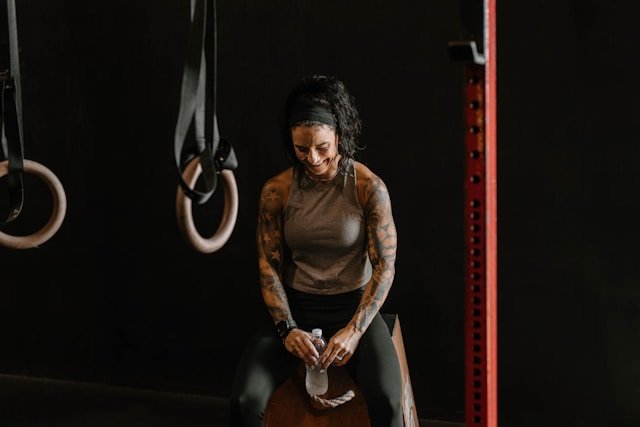

It Felt Like Overnight!
Many of us, particularly for those of us over 40 or even in our 30, have at some point or another faced the challenges of maintaining a ‘healthy weight’ as defined by official guidelines but hormones, metabolism, and the modern day lifestyle and challenges shifts the dynamics and plays a starring role in how the body stores and burns fat.
You’re relatively active, you take the stairs instead of the lift but suddenly you hit a ‘certain age’ and you seem to acquired additional belly fat that you didn’t order and more jiggly bits and sagging areas than you can stuff into last year’s Spanx. You’re eating healthy foods, right? But why am I feeling so tired all the time?
Whilst many of us are choosing plant-based diets for health, ethical, and environmental reasons, adapting your daily nutritional intake to support your changing hormones and physical exercise demands, is also important.
Nourishing our bodies with nutrient-dense plant-based foods, offers numerous health benefits to help make maintaining a healthy weight, a lot easier
Why Does It Matter?
Our incredible bodies undergo so many different changes as we age but let’s look at the changes we face from around the age of 30.
This is for many women, the time when metabolism typically begins to slow, and hormonal fluctuations can contribute to weight gain, particularly around the abdomen. Overall stress levels may be higher, often affecting sleep patterns and eating habits. Additionally, lifestyle factors such as work, family commitments, and social pressures can make it harder to maintain a consistent exercise routine.
The consequences of not managing weight during these years can extend beyond appearance. Carrying excess weight can increase the risk of several health issues, including:
- Cardiovascular diseases such as high blood pressure and high cholesterol
- Type 2 diabetes due to insulin resistance
- Joint problems from additional strain
- Mental health challenges, as weight can impact self-esteem
Maintaining a healthy weight isn’t just about fitting into your favourite clothes, it’s about overall wellness, quality of life, and longevity.
The Benefits of a Plant-Based Diet for women Over 30
A plant-based diet, rich in fruits, vegetables, legumes, nuts, seeds, and whole grains, has been shown to have a positive impact on weight management. Many studies suggest that people who follow plant-based diets tend to have lower body mass indexes (BMI), healthier cholesterol levels, and lower risks of chronic diseases like heart disease and diabetes. The key benefits of a plant-based diet for women over 30 include:
1. Nutrient Density: Plant-based foods are packed with vitamins, minerals, and antioxidants that support metabolism, energy levels, and overall health. When properly planned, a plant-based diet can provide all the essential nutrients necessary for maintaining a healthy weight and body composition.
2. Low Caloric Density: Many plant-based foods, such as fruits and vegetables, are low in calories but high in fiber. This makes it easier to feel full without over-consuming calories, which can be a helpful tool for weight management.
3. Improved Digestive Health: A high-fiber diet helps regulate bowel movements and reduces bloating, leading to improved digestive health. It can also keep you feeling full for longer, reducing the likelihood of overeating.
4. Reduced Inflammation: Chronic inflammation has been linked to weight gain and obesity. Plant-based foods rich in antioxidants and anti-inflammatory compounds, such as berries, leafy greens, and nuts, can help reduce inflammation and support weight loss.
Potential Pitfalls for women Over 30 on a Plant-Based Diet
While a plant-based diet can be incredibly beneficial for weight management, it’s essential to recognise that it’s not an automatic guarantee for weight loss or health. For women over 30, there are several potential pitfalls to avoid:
1. Over-reliance on Processed Foods: Plant-based eating doesn’t automatically mean healthy eating. Many processed foods, like vegan cheeses, plant-based meats, and sugary snacks, can still be high in unhealthy fats, sugar, and sodium, leading to weight gain if consumed in excess. It’s important to focus on whole, minimally processed foods to get the most benefit from a plant-based diet.
2. Inadequate Protein Intake: Protein is crucial for maintaining muscle mass, especially as we age. A lack of protein can contribute to muscle loss, a slower metabolism, and difficulties maintaining a healthy weight. It’s important for plant-based eaters to include a variety of plant proteins, such as lentils, chickpeas, tofu, tempeh, quinoa, and edamame, to ensure adequate intake.
3. Not Getting Enough Healthy Fats: Fats are essential for hormone regulation, brain function, and overall health. However, many we on plant-based diets may avoid healthy fats out of fear of gaining weight. Foods like avocados, olive oil, nuts, seeds, and coconut oil are excellent sources of healthy fats that can aid in weight management when consumed in moderation.
4. Calorie Mismanagement: Just because a food is plant-based doesn’t mean it’s automatically low in calories. Caloric intake must still be managed, especially when we’re over 30, our metabolism may have slowed down and we can inadvertently consume more calories than we realise through large portions of high-calorie plant foods like nuts, seeds, and oils.
Tips for Maintaining a Healthy Weight on a Plant-Based Diet
If you’re a woman over 30 and looking to maintain a healthy weight while following a plant-based diet, here are some practical tips:
1. Focus on Whole Foods
Whole, plant-based foods like fruits, vegetables, whole grains, and legumes should make up the bulk of your diet. These foods are nutrient-dense, high in fiber, and naturally low in calories, which can help with weight management. When shopping, prioritise fresh produce and foods that are in their most natural, unprocessed state.
2. Ensure Protein at Every Meal
To support muscle mass and keep your metabolism functioning optimally, include protein at every meal. Plant-based proteins like beans, lentils, quinoa, and tofu can help keep you full longer and support your body’s muscle maintenance. Consider adding a plant-based protein powder to smoothies if you feel like your protein intake is insufficient.
3. Control Portion Sizes
While plant-based foods are nutritious, we can also be calorie-dense if consumed in large quantities. Pay attention to portion sizes, particularly for higher-calorie plant foods such as nuts, seeds, and avocados. Using smaller plates, measuring portions, and being mindful of your hunger cues can prevent overeating.
4. Incorporate Healthy Fats
Healthy fats are essential for your hormones, metabolism, and overall health. Include sources of unsaturated fats like olive oil, avocado, nuts, and seeds in your meals. However, remember that fat is calorie-dense, so it’s important to enjoy these foods in moderation to prevent excessive calorie consumption.
5. Stay Hydrated
Drinking plenty of water is crucial for weight management, as sometimes our bodies mistake thirst for hunger, leading to overeating. Aim to drink at least eight cups of water a day, and consider drinking herbal teas or infused water to stay hydrated and curb cravings.
6. Exercise Regularly
Exercise is key for maintaining a healthy weight and improving overall health. A combination of strength training (to preserve muscle mass) and cardiovascular exercise (to burn fat and improve heart health) is ideal for those over 30. Try to include at least 150 minutes of moderate aerobic activity or 75 minutes of vigorous activity per week, alongside two or more strength training sessions.
7. Get Enough Sleep
Sleep plays a significant role in weight management. Insufficient sleep can disrupt hormones like ghrelin and leptin, which regulate hunger, leading to overeating. Aim for 7-9 hours of quality sleep per night to support healthy weight maintenance.
Conclusion
Maintaining a healthy weight as a woman over 30 on a plant-based diet is entirely achievable with the right knowledge and strategies. By focusing on whole, nutrient-dense foods, ensuring adequate protein and healthy fats, controlling portions, and incorporating regular exercise, you can support your body’s changing needs and achieve lasting health benefits. As with any diet, consistency is key, and small, sustainable changes can make a significant impact over time.
A plant-based diet offers numerous benefits beyond weight management, including improved heart health, better digestion, and increased energy levels. By making thoughtful food choices and maintaining a balanced approach, you can embrace a healthy lifestyle that supports your weight goals while nourishing your body for the long term.